

Natalia Botero
Natalia is a Colombian photographer, artist, curator, and social researcher whose work focuses on social projects involving communities affected by violence, with an emphasis on historical memory. She is a photojournalist with a Master's in Social-Spatial Studies, which has equipped her with the skills to develop critical and social thinking within her artistic practice through photography.
In the context of memory, she created a system for working with relatives of victims of forced disappearance during the Colombian armed conflict, using photography as a tool to transform pain and foster resilience in the face of traumatic experiences. She also has experience in editorial work with a social focus, creating visual curatorships and developing anthropological, care-centered narratives that defend the human rights of diverse communities.

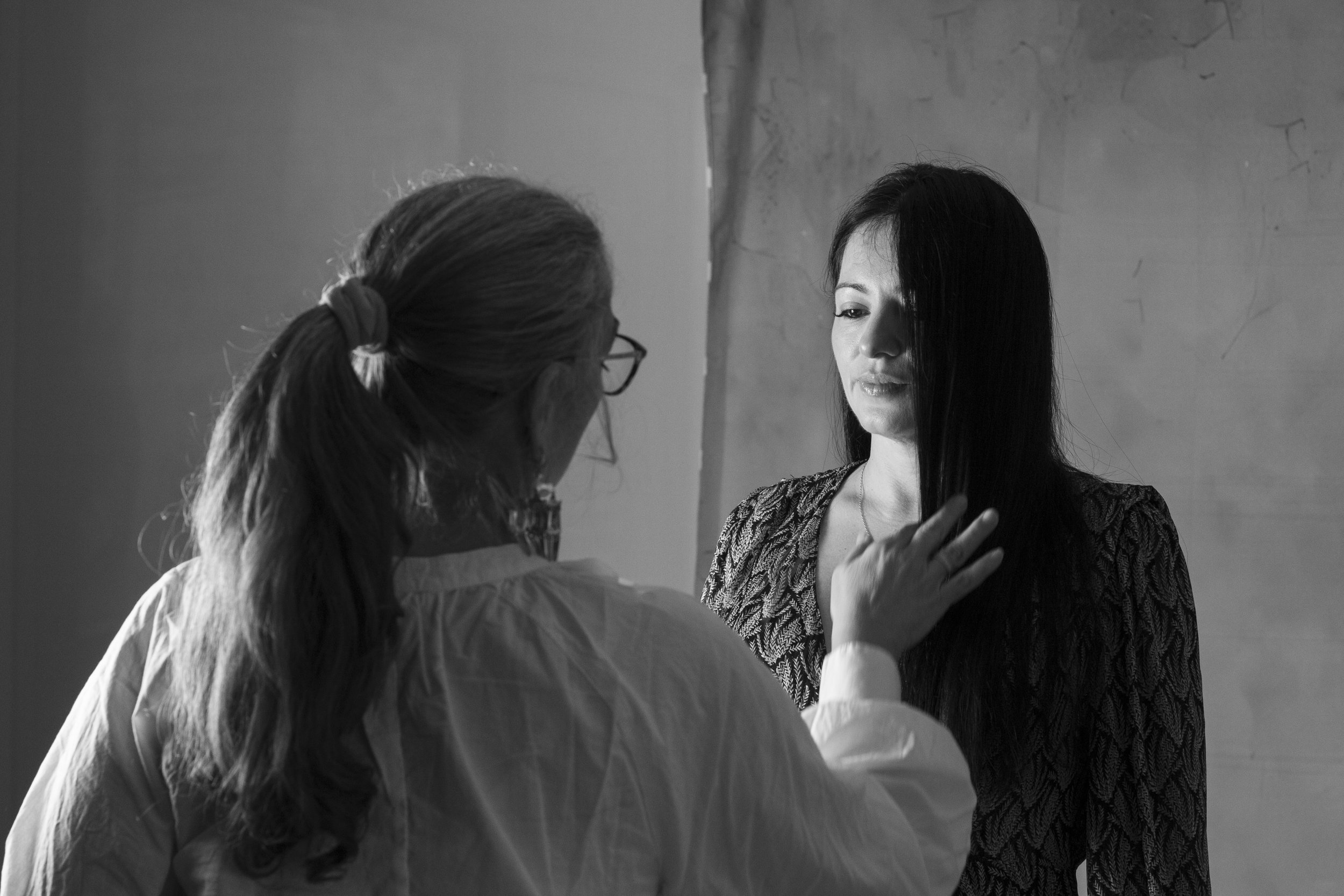
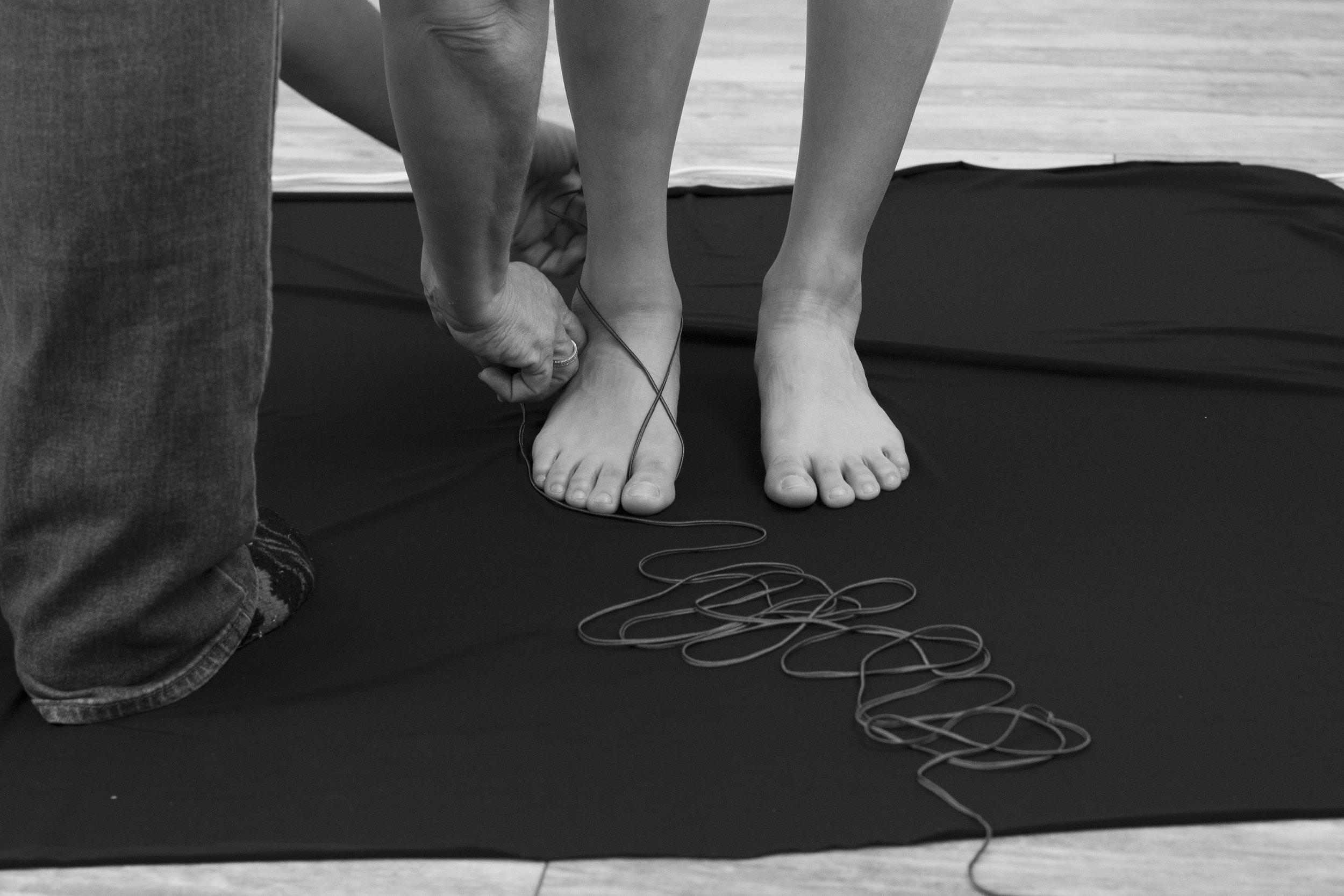
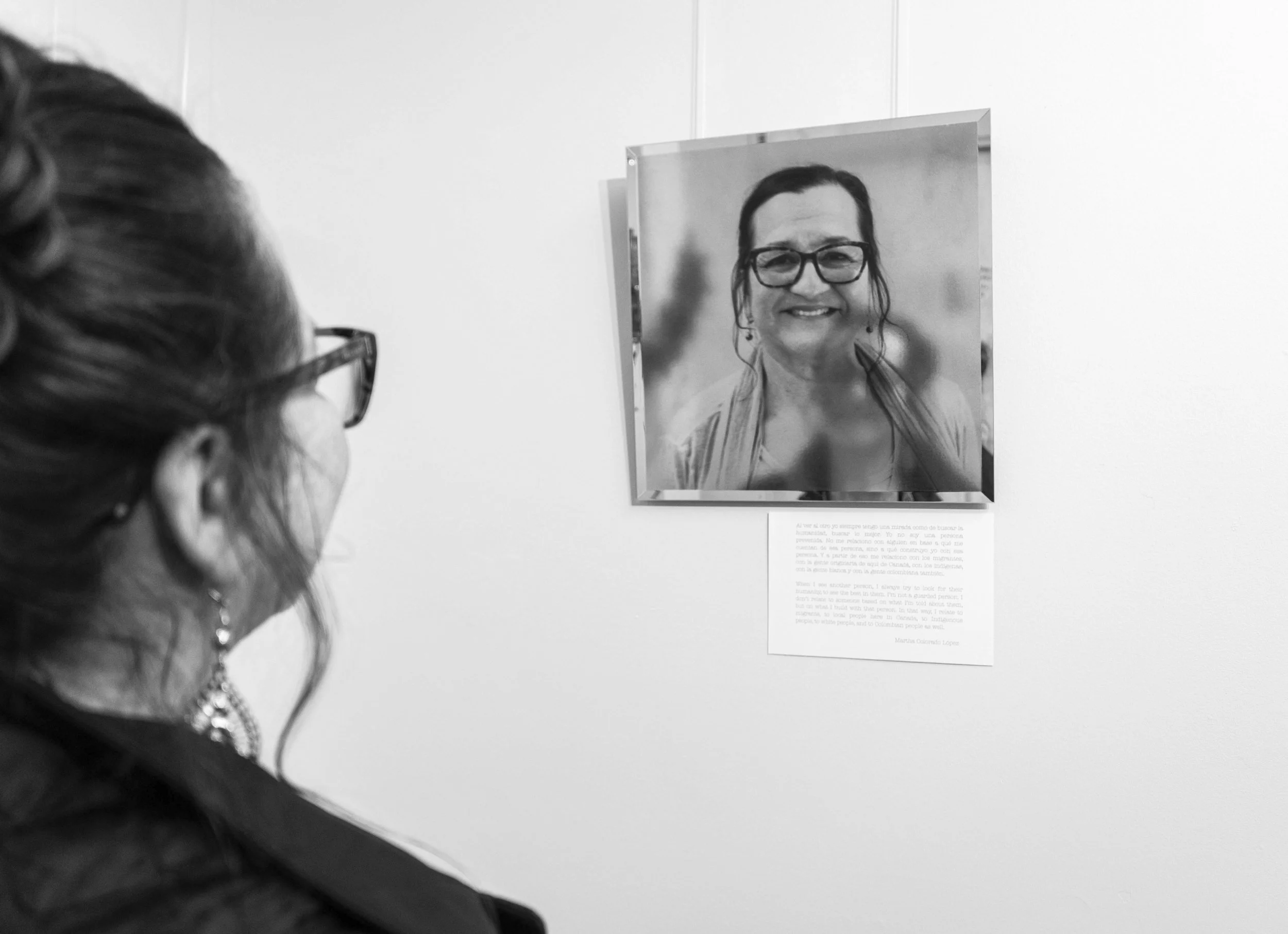
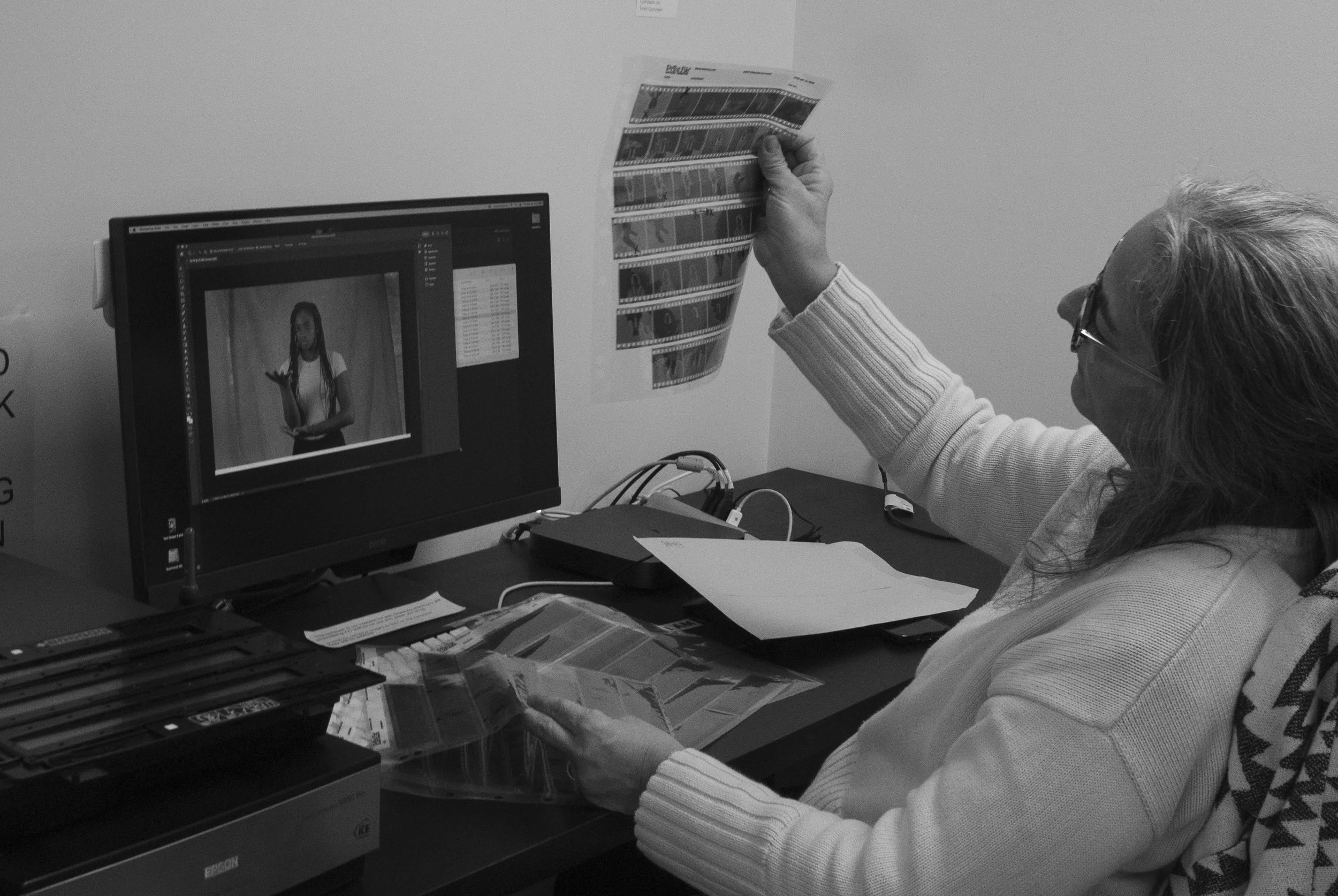
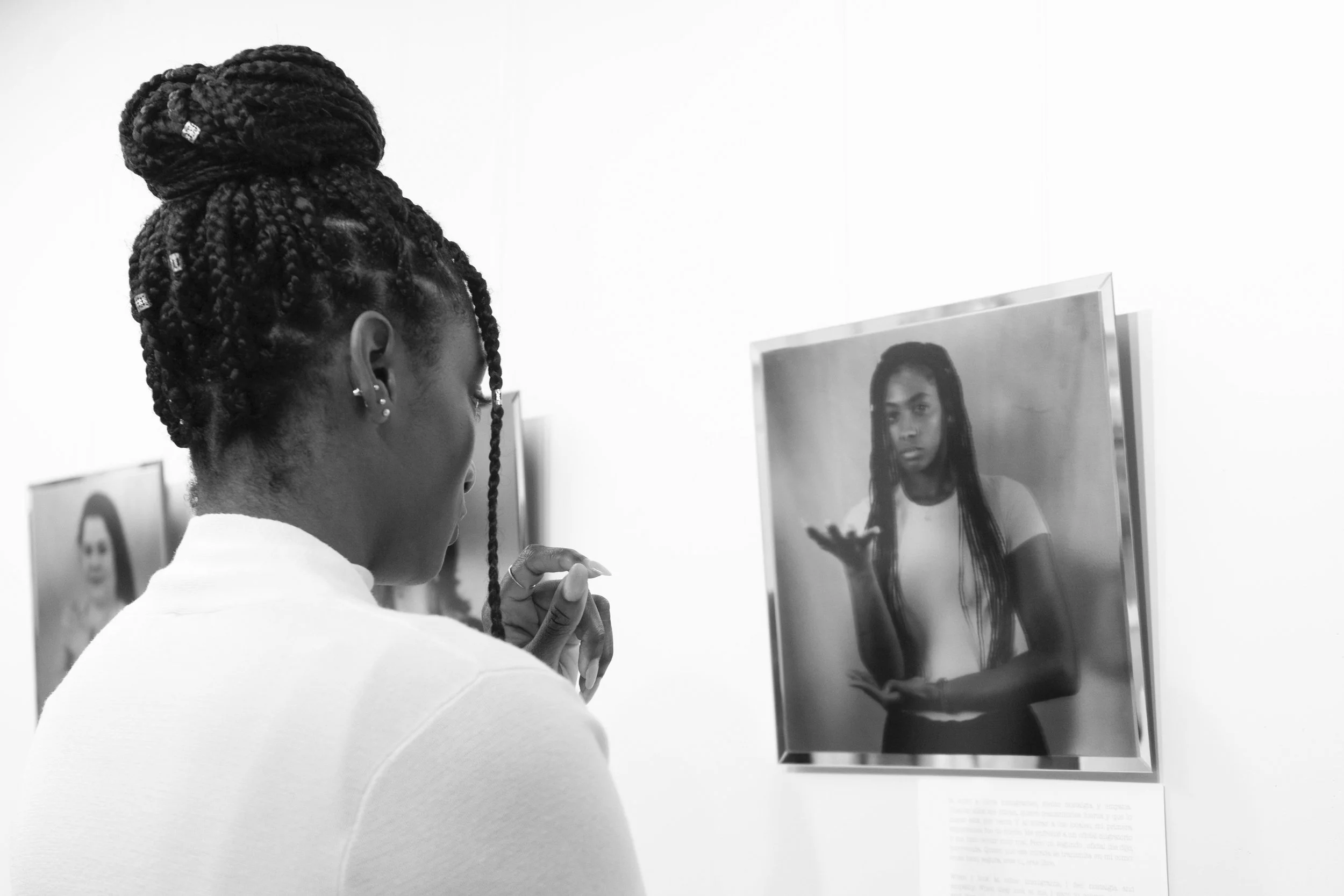
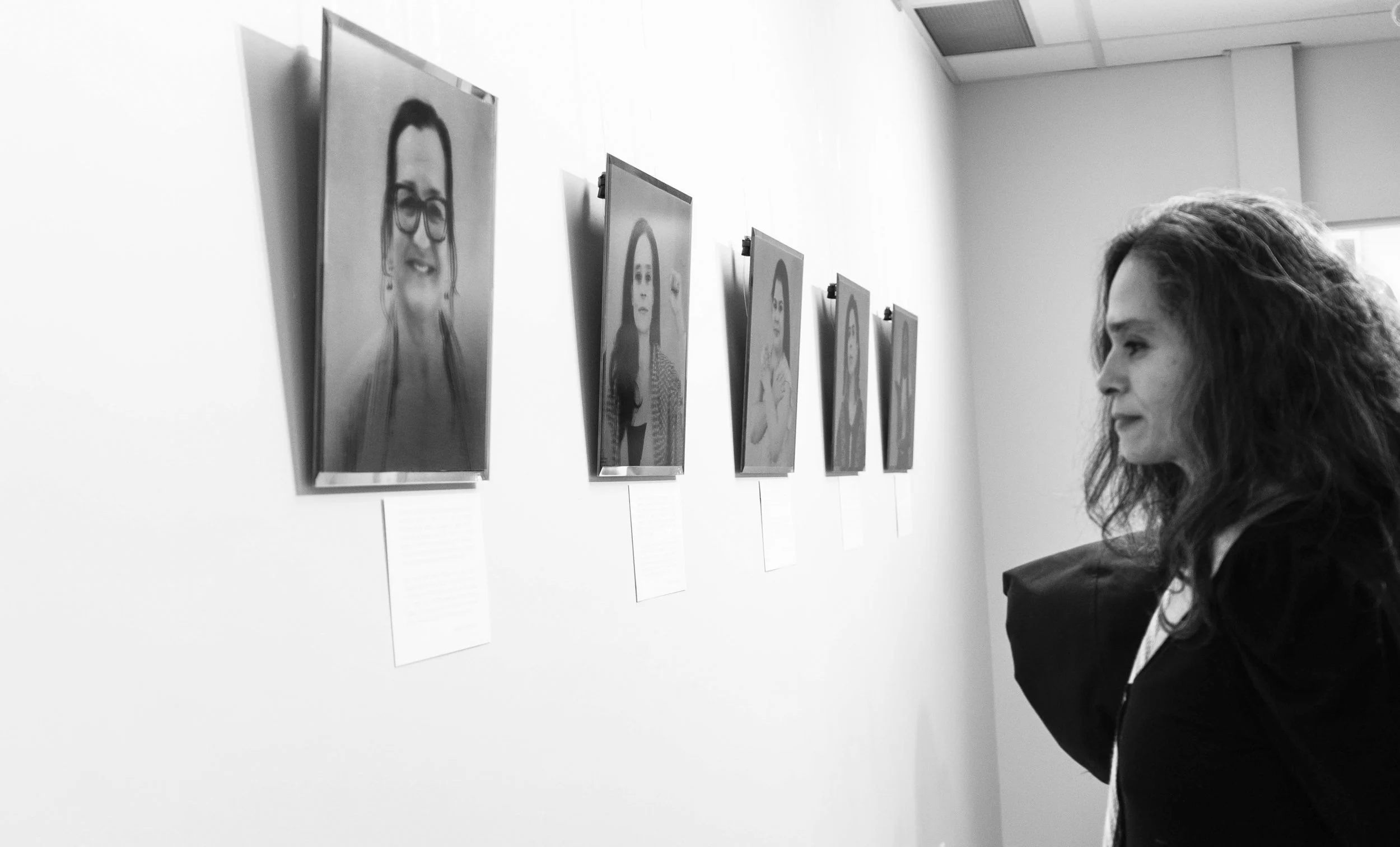
Reflections of Migration emerges from years of questions and reflections I have carried with me since the moment I was forced to leave my country and arrive in Canada as a Protected Person with my three children. It pushed me to the limits of my emotional and everyday experience. Photography becomes a tool for exploring identity and recognition: seeing myself in the face of the other, and recognizing the other within myself. The Reflects is a question in front of others like, who am I? How do I appear before others? What is the story of the person looking at me, and what is my story in their gaze?
Migration involves uprooting, social invisibility, the loss or fragmentation of identity, and separation from our closest family and social networks. Listening to migrant voices and looking directly into their eyes helps humanize what is often reduced to a geopolitical concept. It allows us to move beyond statistics and policies, breaking down the barriers and misconceptions attached to the word migrant.
This work creates a space for reflection and action, bringing everyday experiences to the foreground and opening dialogue around discrimination and the complex realities faced by immigrants. It invites viewers to engage with migration not as an abstract issue, but as a deeply human experience shaped by resilience, vulnerability, and belonging.
For decades, Canada has worked directly with migration. Since 1976, it has implemented policies aimed at broadening and diversifying migration pathways. While these efforts have enriched the country, they have also brought significant challenges, including a growing newcomer population and rapidly shifting social contexts worldwide. Reflections of Migration situates itself within this reality, offering a human, centered perspective that asks us not only to look.