

Pathway to Diversity National Exhibition - City of St. John’s
Carolina Aguirre
Ernest Boateng
Nasim Makaremia Nia
Natalia Botero
Ogheneofegor Obuwoma
Snack Witch Joni Cheung Man Yi 張文懿
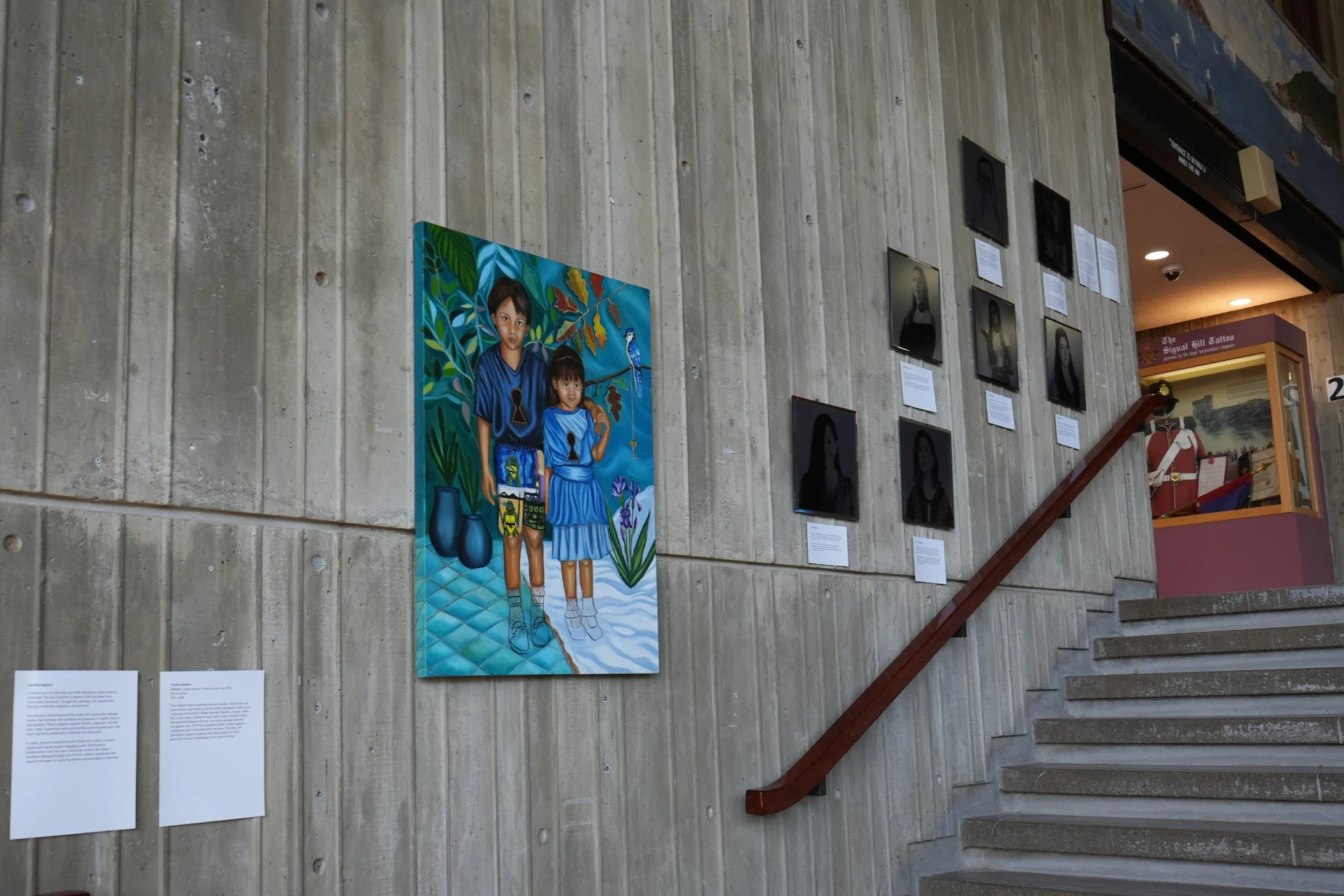
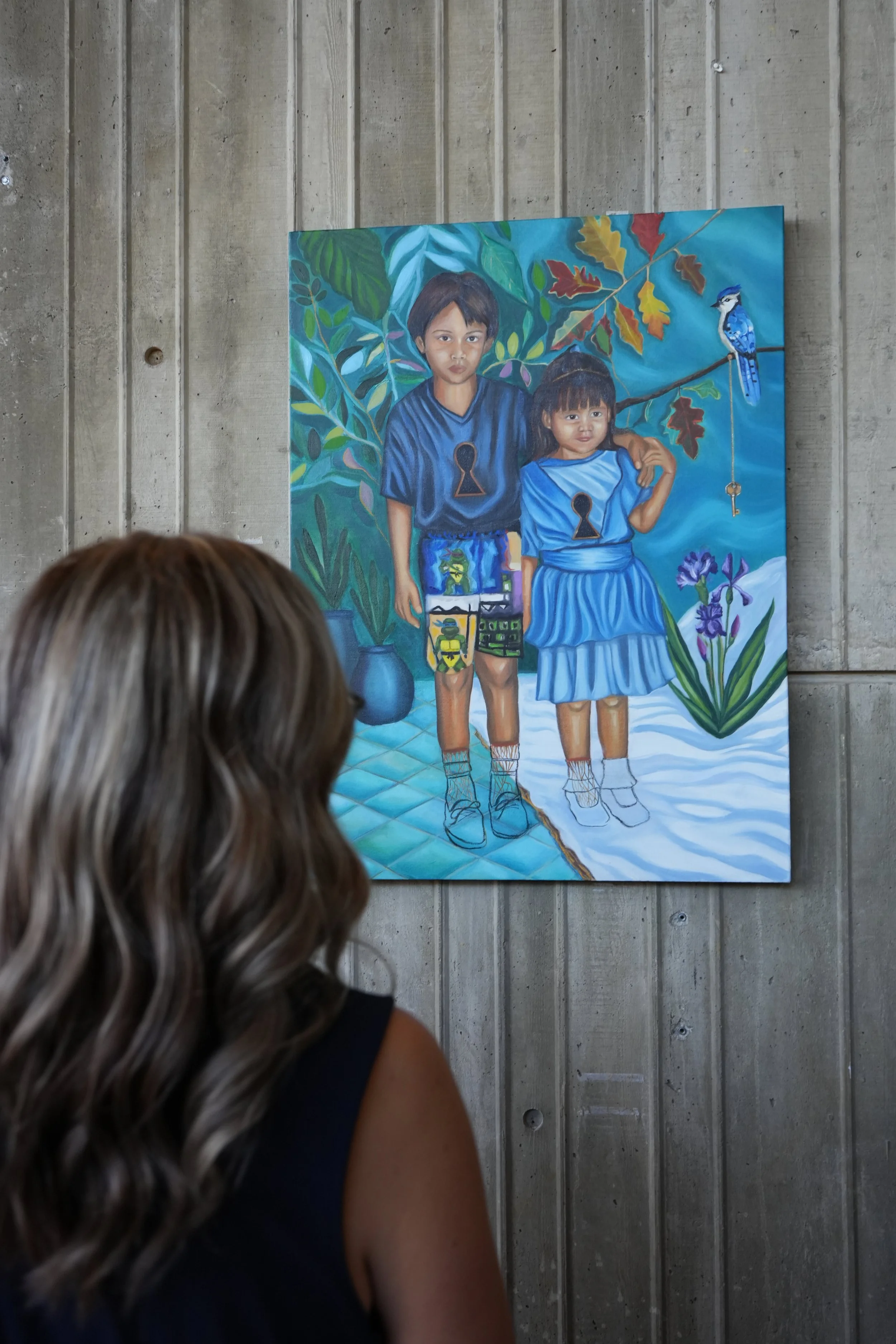
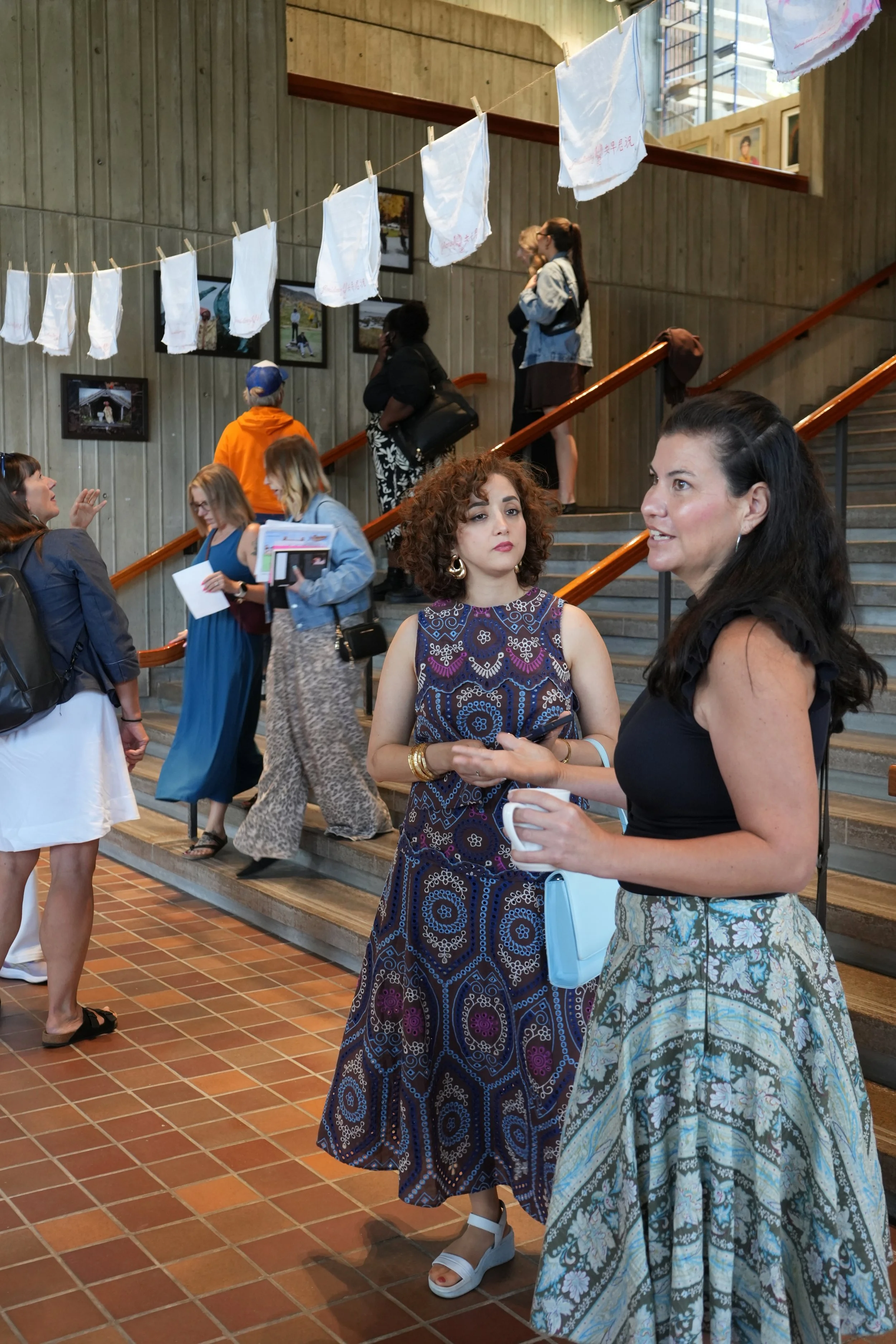
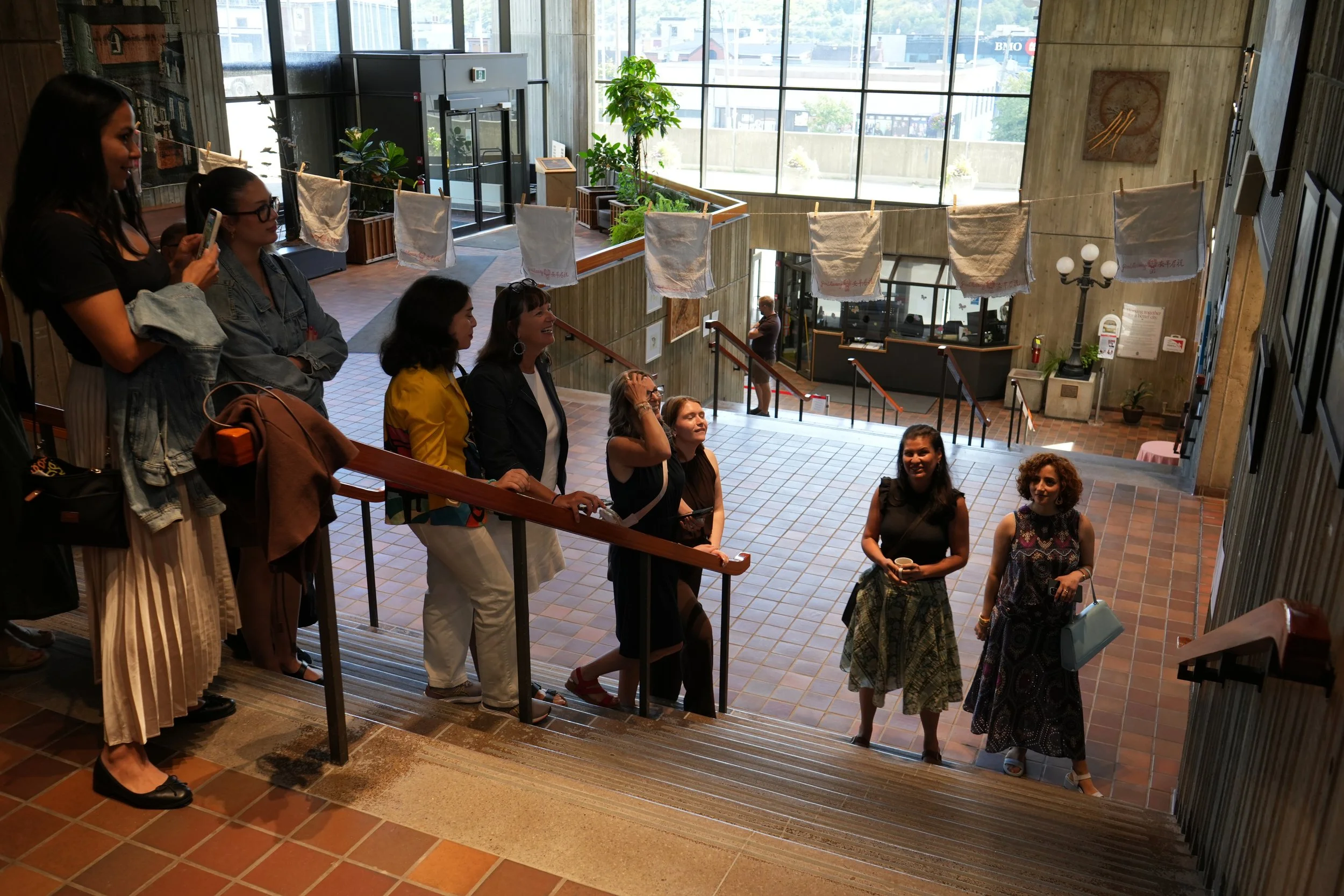
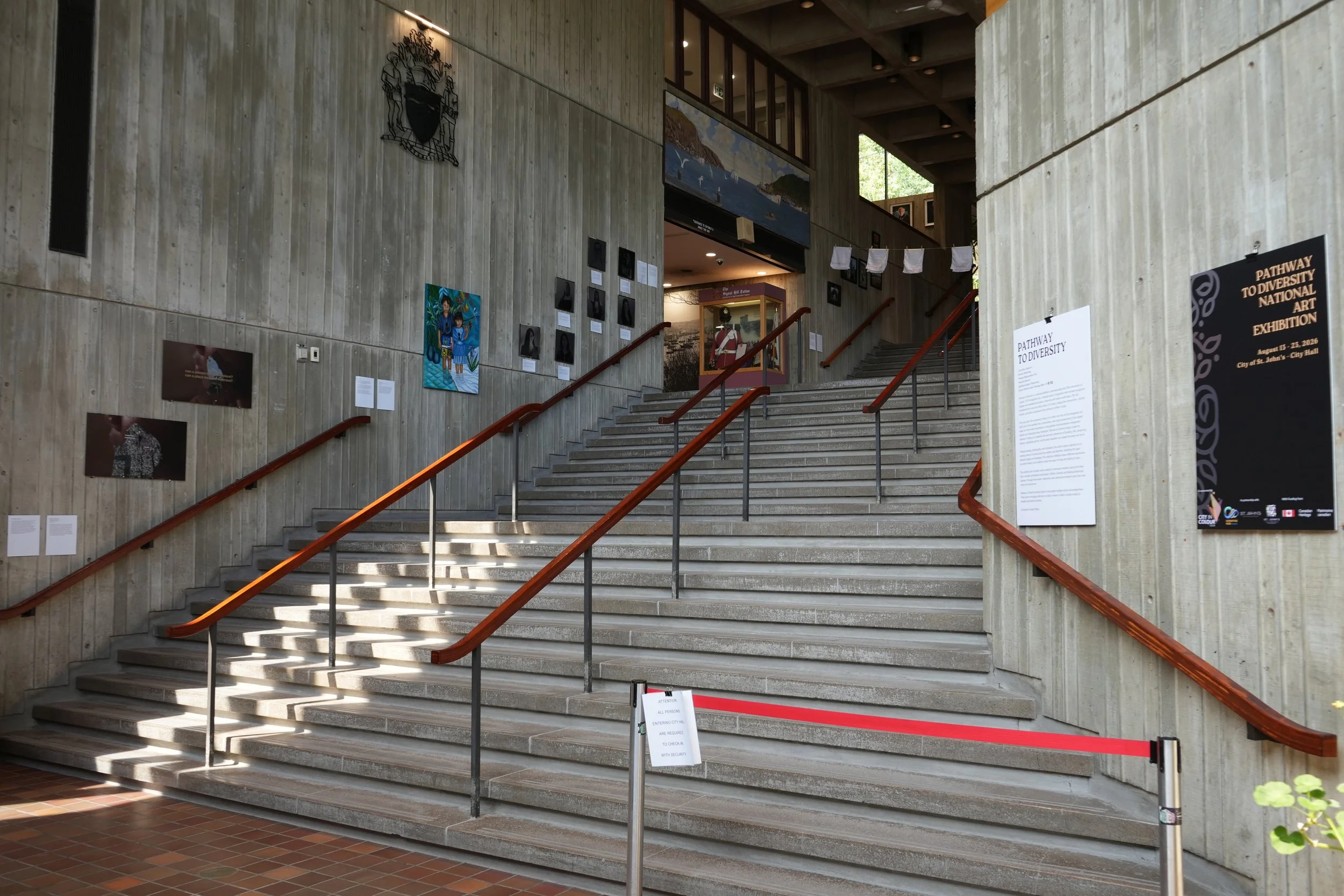
Pathway to Diversity is a national exhibition commemorating the 50th anniversary of Canada's 1976 Immigration Act, a landmark piece of legislation that formally recognized refugees and established principles of diversity and family reunification. This Act transformed the social and cultural fabric of Canada, shaping the communities, cultures, histories, and artistic expressions that continue to define it today.
Fifty years later, this anniversary invites us to reflect not only on the Immigration Act itself, but on the countless lives, communities, and cultural expressions it has helped shape. At a time when xenophobia is rising globally and humanitarian immigration policies are increasingly being challenged, Pathway to Diversity brings us back to humanity, inviting us to celebrate the everyday experiences of building a life, preserving memory, negotiating identity, and the ways migration has shaped the places we live in.
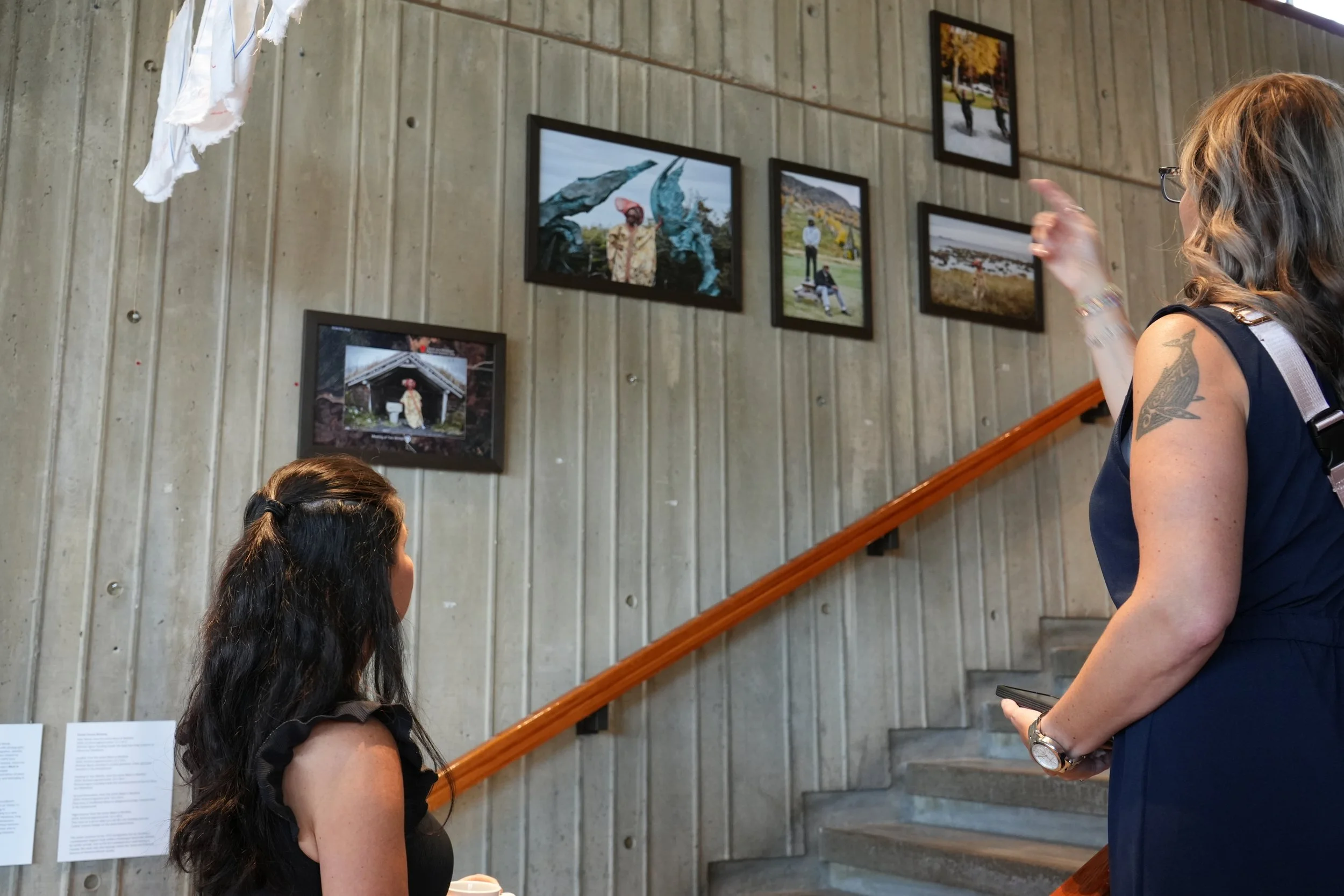
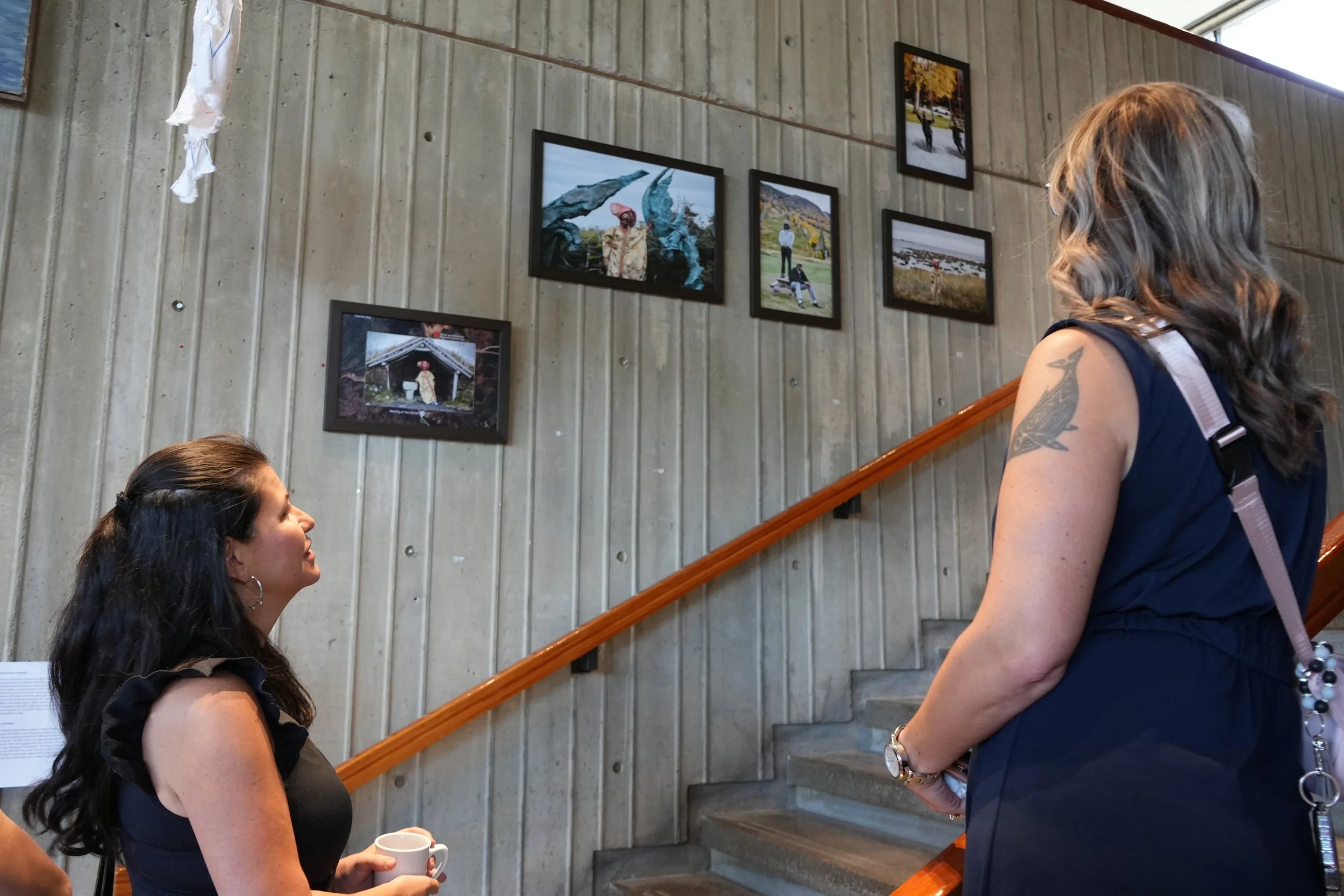
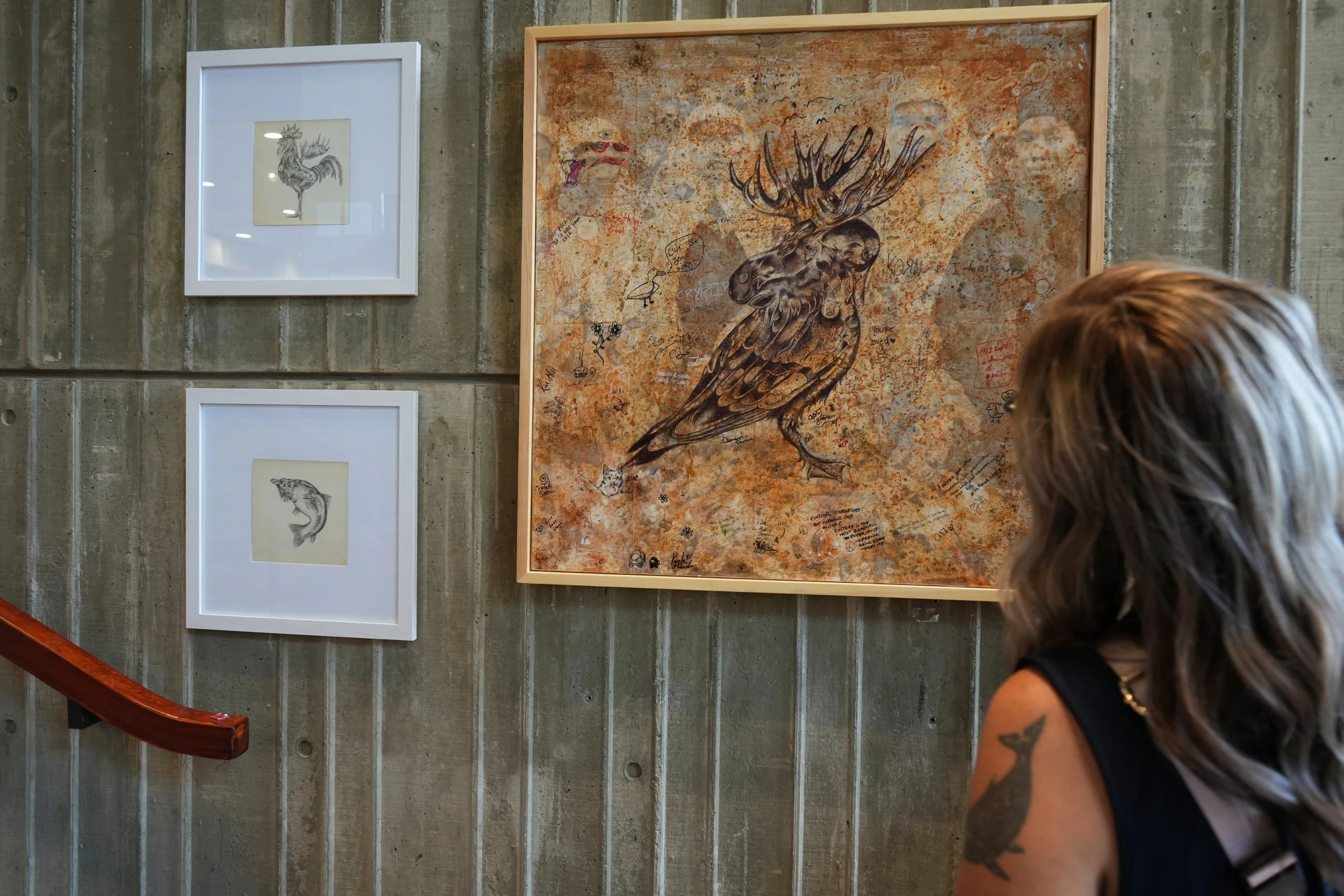
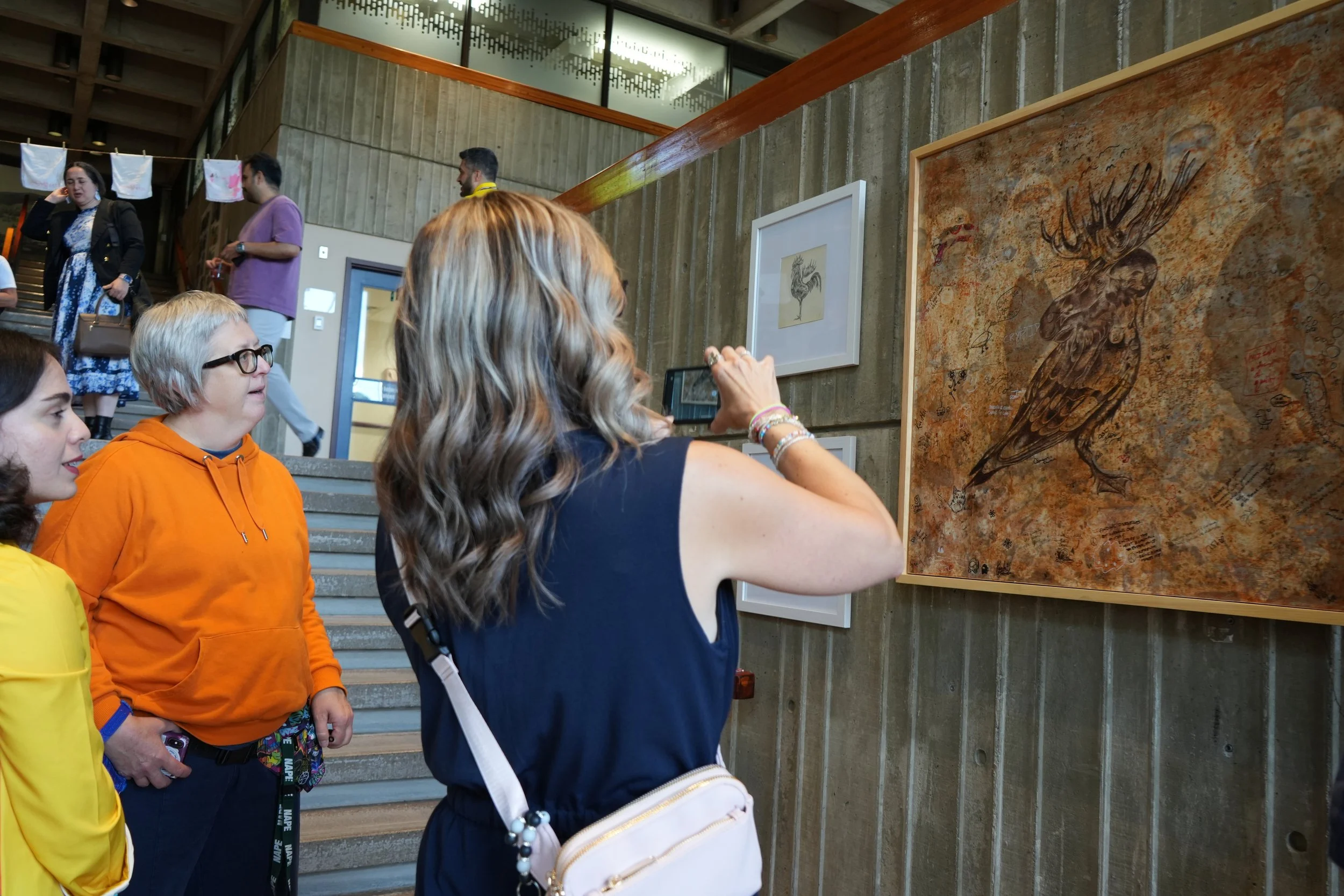
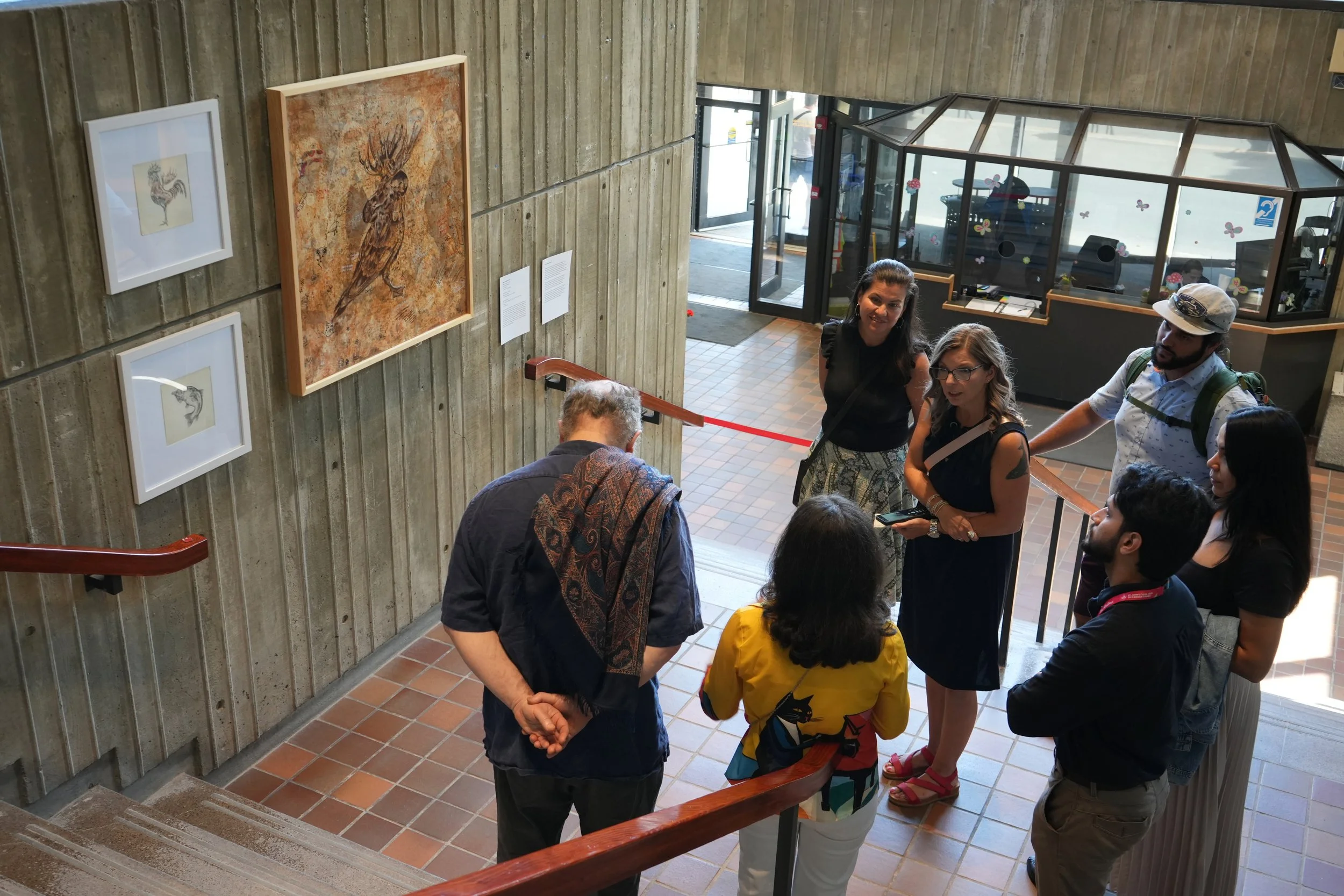
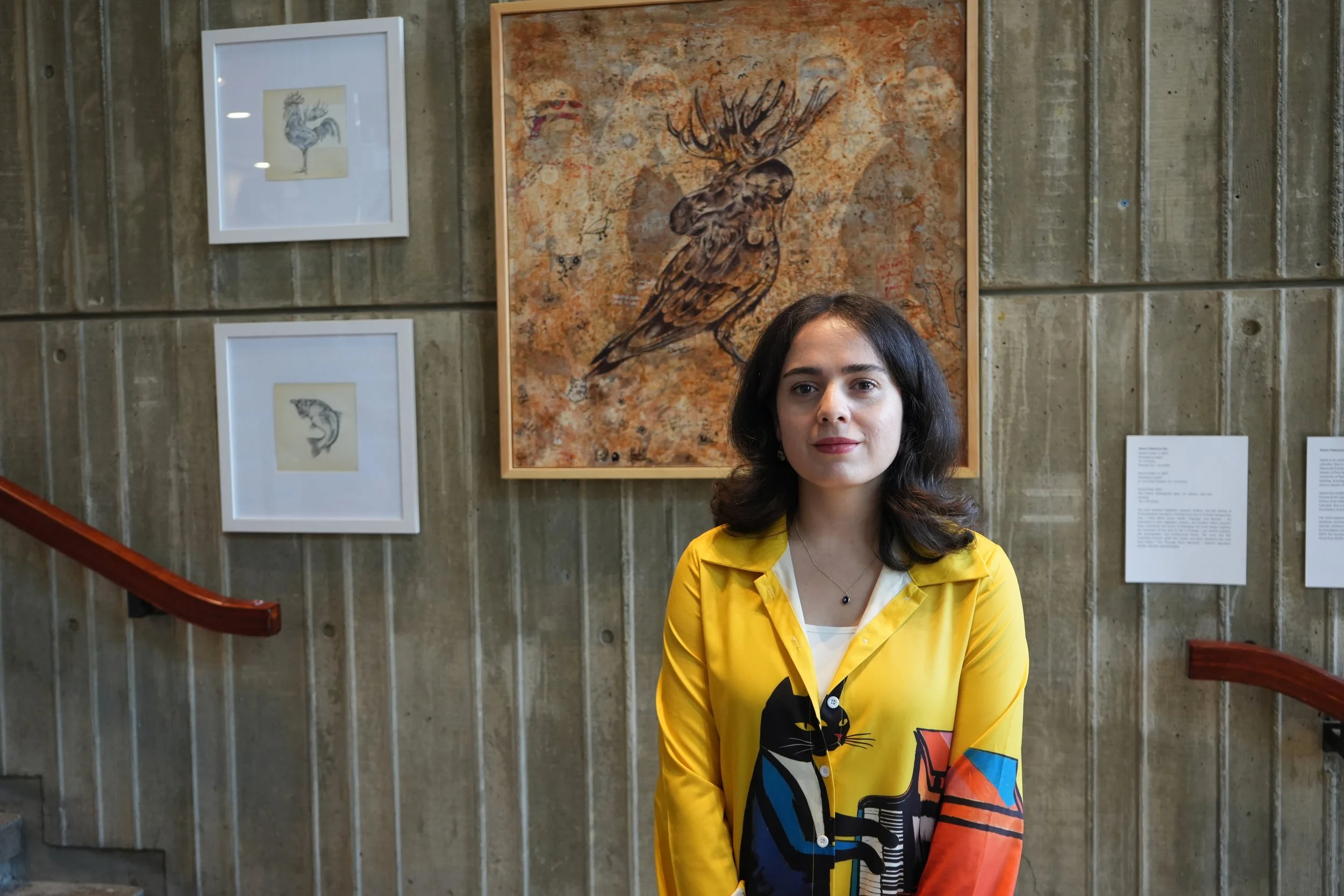
Through painting, photography, and installation, the artists explore migration as an ongoing process of constructing new realities and identities, inhabiting the space between longing and belonging. This collective exhibition shows different expressions, but where memory, and resilience shape new ways of living and relating to place.
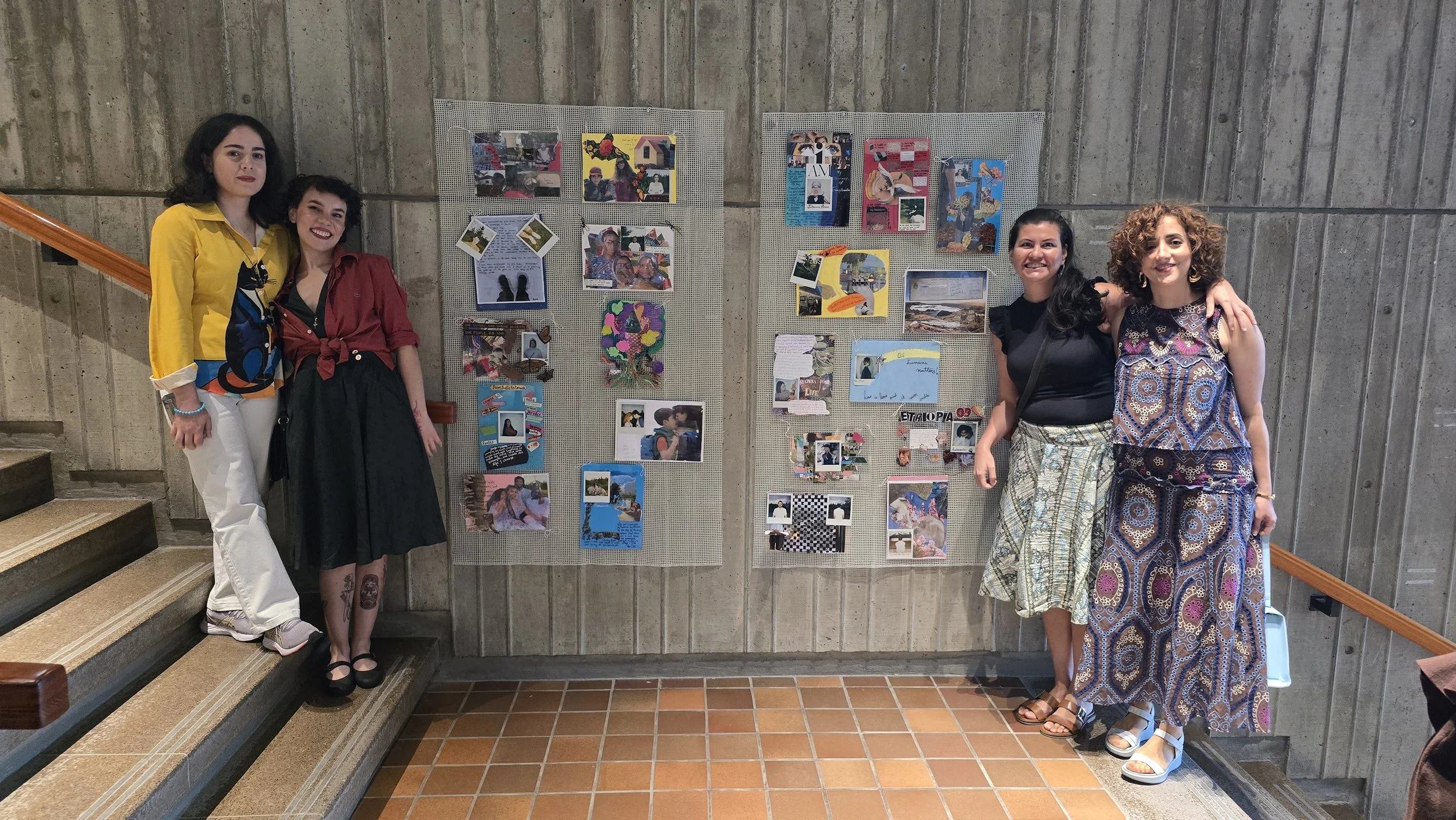
The exhibition also includes works created by community members during the More than a Number participatory workshops in British Columbia and Newfoundland and Labrador. Through these works, newcomers and community members share their own stories and experiences.
Pathway to Diversity invites visitors to encounter multiple voices and perspectives. These works encourage reflection on what it means to build a society rooted in empathy and shared humanity.
Curated by Fiorella Pinillos
Photography by Sanaz Ghz
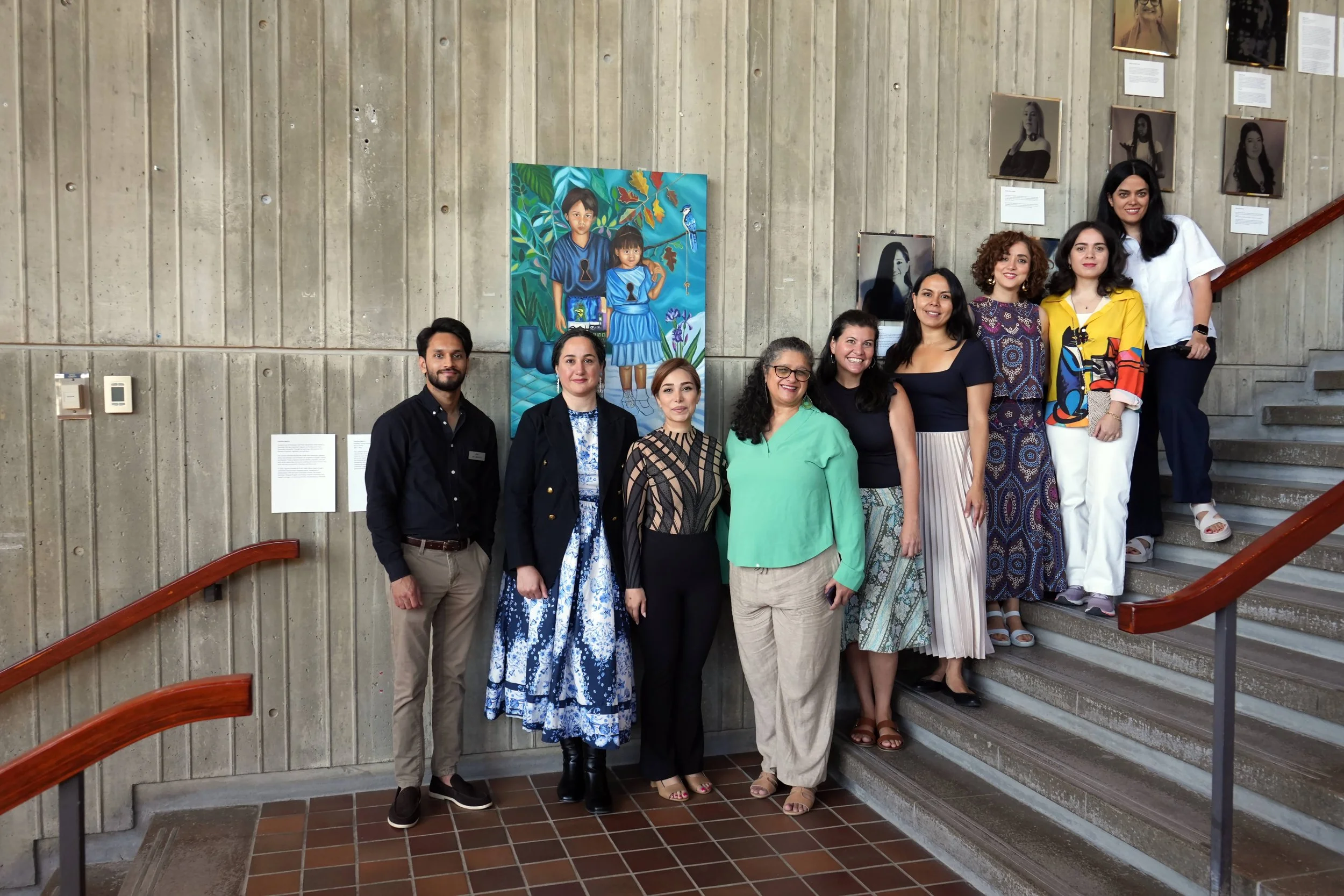
Pathway to Diversity est une exposition nationale qui commémore le 50e anniversaire de la Loi sur l’immigration de 1976 du Canada, une loi historique qui a officiellement reconnu les réfugiés et établi des principes de diversité et de réunification familiale. Cette loi a transformé le tissu social et culturel du Canada, façonnant les communautés, les cultures, les histoires et les expressions artistiques qui continuent de le définir aujourd’hui.
Cinquante ans plus tard, cet anniversaire nous invite à réfléchir non seulement à la Loi sur l’immigration elle-même, mais aussi aux innombrables vies, communautés et expressions culturelles qu’elle a contribué à façonner. À une époque où la xénophobie est en hausse à l’échelle mondiale et où les politiques d’immigration humanitaire sont de plus en plus remises en question, Pathway to Diversity nous ramène à l’humain. L’exposition nous invite à célébrer les expériences quotidiennes liées au fait de bâtir une vie, de préserver sa mémoire, de négocier son identité, ainsi que les façons dont la migration a façonné les lieux où nous vivons.
À travers la peinture, la photographie et l’installation, les artistes explorent la migration comme un processus continu de construction de nouvelles réalités et identités, en habitant cet espace entre le désir d’ailleurs et le sentiment d’appartenance. Cette exposition collective présente des expressions diverses, où la mémoire et la résilience façonnent de nouvelles façons de vivre et d’entretenir un lien avec le lieu.
L’exposition comprend également des œuvres créées par des membres de la communauté dans le cadre des ateliers participatifs More than a Number, organisés en Colombie-Britannique et à Terre-Neuve-et-Labrador. À travers ces œuvres, des personnes nouvellement arrivées au Canada et des membres de la communauté partagent leurs propres histoires et expériences.
Pathway to Diversity invite les visiteurs à découvrir une multitude de voix et de perspectives. Ces œuvres encouragent une réflexion sur ce que signifie bâtir une société fondée sur l’empathie et une humanité partagée.
Commissariat : Fiorella Pinillos
Crédit photographique : Sanaz Ghz